






















By senior year, motivation doesn’t just disappear overnight. It fades slowly, assignment by assignment, until one day you’re staring at a due date thinking, Why do I need to do this? As we get closer to the end of our time in high school, senioritis continues to plague our seniors. And while it’s often treated like a bit of a joke, I think senioritis is completely understandable.
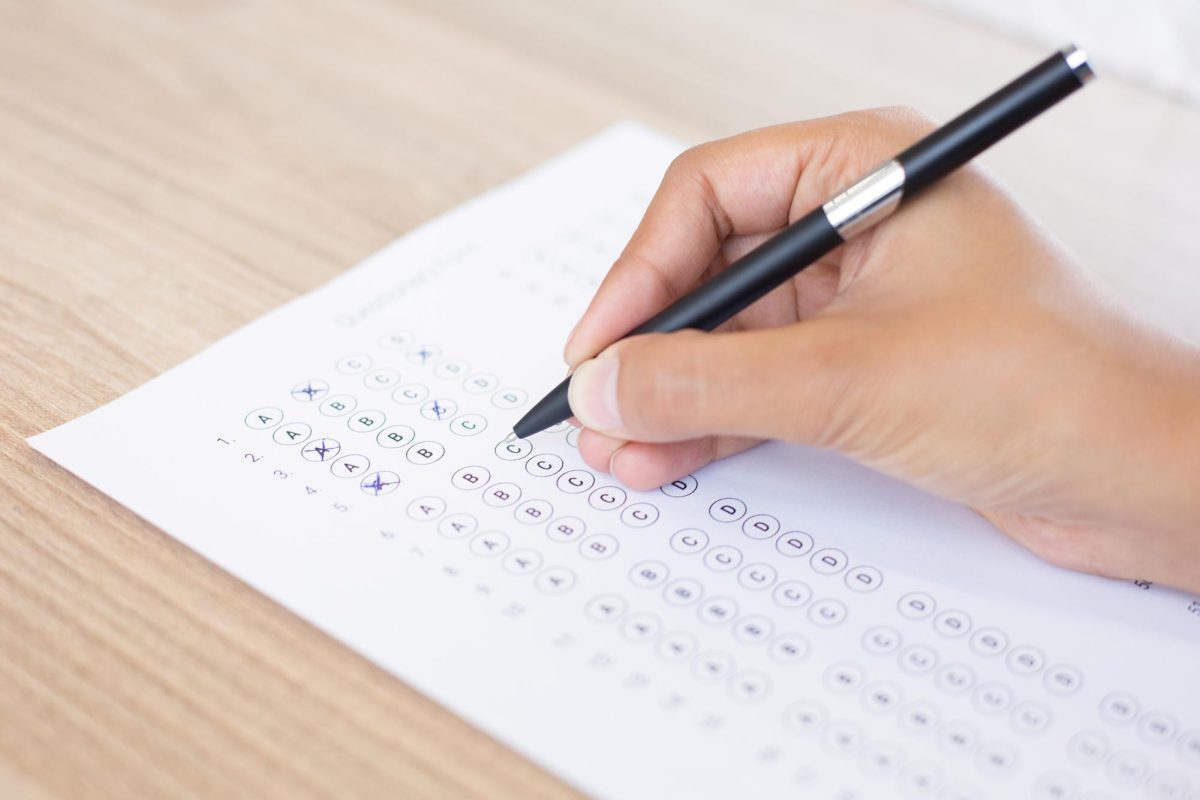
After thirteen years of school, seniors are tired. We’ve spent almost the entirety of our lives chasing grades, meeting deadlines and planning our futures. Over a decade of following strict schedules, studying for countless tests and stressing over grades that are supposed to determine our futures. By the time senior year rolls around, many of us know what comes next. Colleges acceptances roll in, future plans form and graduation feels so close that it’s hard to stay focused on things that feel temporary.
Senioritis is entirely the result of burnout. The expectation for seniors is that we work at full speed—full capacity, even—when the finish line is right in front of us. Balancing schoolwork with jobs, extracurriculars, sports and family responsibilities takes its toll. And while it is a fair ask, it’s nonetheless a tough one. When the reward system throughout our time in school has been based on “preparing for the future,” it ultimately isn’t much of a surprise the motivation drops once the future feels secured.
It’s not from a lack of caring for many seniors. Ultimately, we’ve been caring for a long time, but the lack of motivation culminates into a lack of energy. Instead of criticizing seniors for checking out and coasting towards the finish line, senioritis should be recognized for what it is: a sign that students are human, tired and ready for the next chapter of their lives.