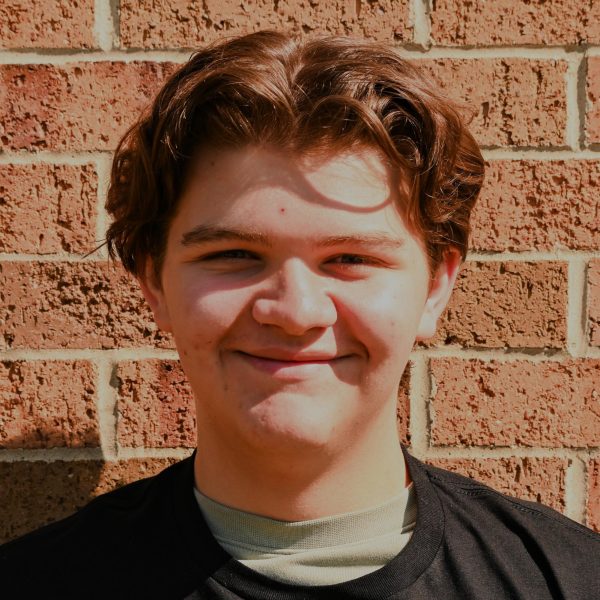
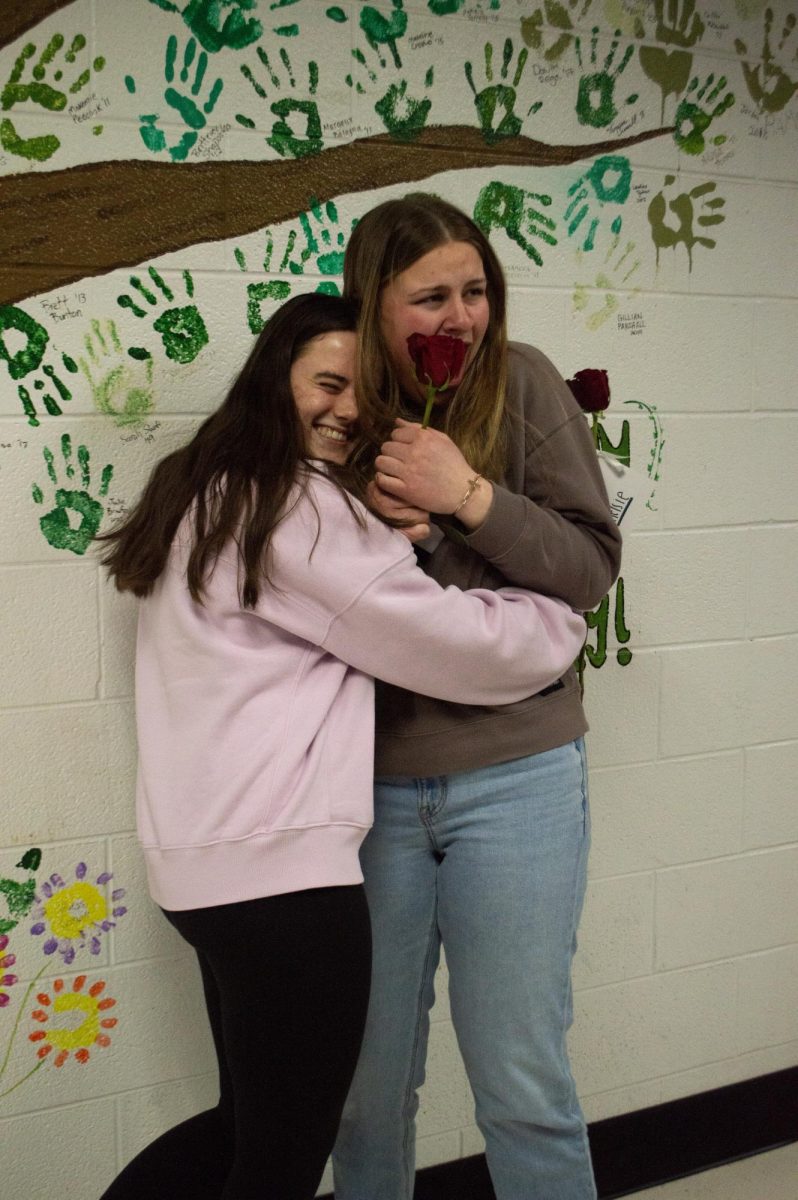
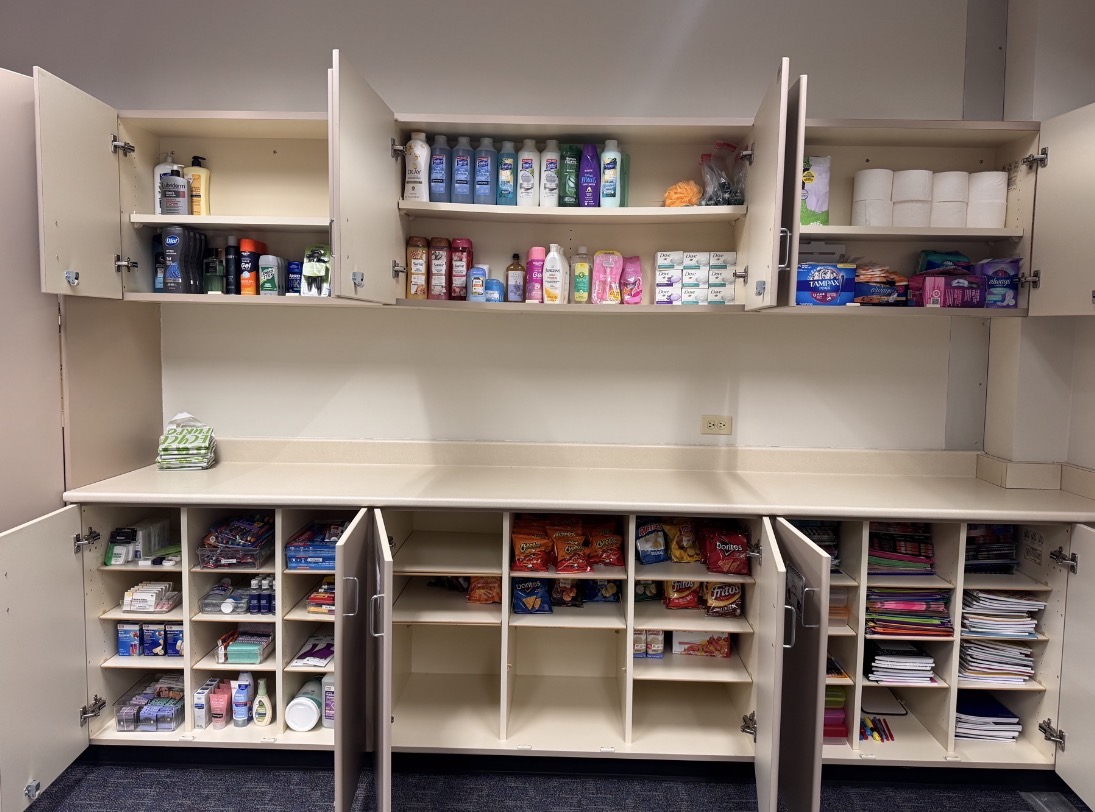












Approaching a bound-to-be sleepless night after teaching high schoolers all day, helping with after-school clubs, barely having time for dinner and then going to the hospital for an eight-hour nursing shift—that is just an average but extraordinary day for the professionals who work concurrently in both education and healthcare. It is the day-to-day of Brighton High School’s Ms. Sarah Hamilton and Ms. Brielle Haupt, Brighton’s own education professionals who also happen to work in healthcare.
Teachers, nurses, doctors and professors are all people who change and guide lives every day in their chosen careers. Teachers are the foundation of the success of communities and nations across the globe. What is even more impressive than teaching the next generation is doing so while quite literally saving lives.
The staff at BHS is heavily involved in the field of medicine, from the Health Department leader, Haupt, to the piano accompanist, Hamilton. Schools around the country have teachers like those at BHS who work as educators and healthcare professionals, which highlights how communication and empathy connect the two fields.
The connection between the two goes back to the first doctors and medical professionals in the Middle Ages. The term doctor was even derived from the Latin docēre, meaning “to teach.” Since there were few official schooling institutions, the system for learning mirrored apprenticeships, and this continued into the 19th century. Once schools were established across the world and in nearly every major city, widespread learning and teaching could commence; however, this didn’t stop the teachers from continuing their life-saving pursuits.
The psychological requirements of teachers and medical professionals are quite similar in the fact that they both require great ability to empathize, high emotional tolerance and strong service-driven motivation. Both jobs require similar skills and often coincide with each other in terms of practice. While an elementary teacher will have to deal with a scraped knee or nauseous students, a surgeon will have to be an attending for a resident or walk a patient through after-care instructions.
Brighton High School’s piano accompanist and AP Music Theory teacher, Ms. Sarah Hamilton, is also a float nurse at Corewell Health in Farmington Hills, Michigan. She works with students to improve their music skills in and outside of the classroom and even plays in the pit orchestra, all the while working night shifts, helping to care for patients. Working at the hospital for 28 years and at BHS for 11, Hamilton has worked both jobs simultaneously since joining the BHS music staff.
Hamilton discussed the skills that overlap between the two professions, including “therapeutic communication… that is focusing on the other person in a conversation.”
“It’s not equal between you and a patient or a patient’s family. You have to focus on them, what they are getting out of the conversation and how they are feeling about this,” Hamilton said. “And that is also helpful at school. If you’re talking to a student who’s having an issue or having trouble, you have to think from their point of view, how can you help them?”
Anticipating needs, social and professional communications and efficiency were other topics Hamilton said overlapped between her jobs. Since both require empathy and social skills, paired with high technical ability, the two jobs work cohesively together despite their apparent differences.
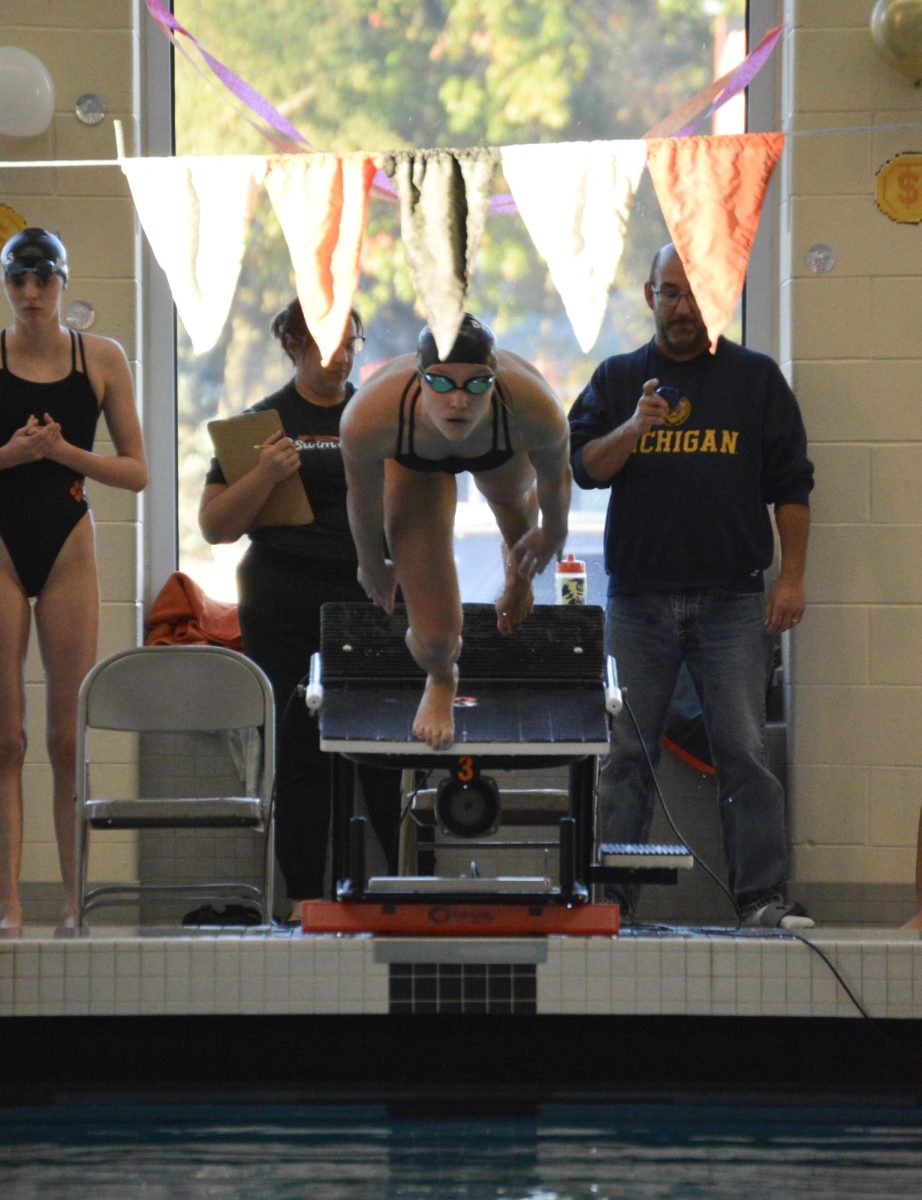
While it isn’t uncommon for Hamilton to leave the high school in the evening, work an 8-hour night shift at the hospital, and be right back in the building for orchestra at 7:30, the dedication to helping people around her is evident. Acknowledging this powerful connection between the professions, unsurprisingly, Hamilton is not the only teacher at BHS who has a passion for the two.
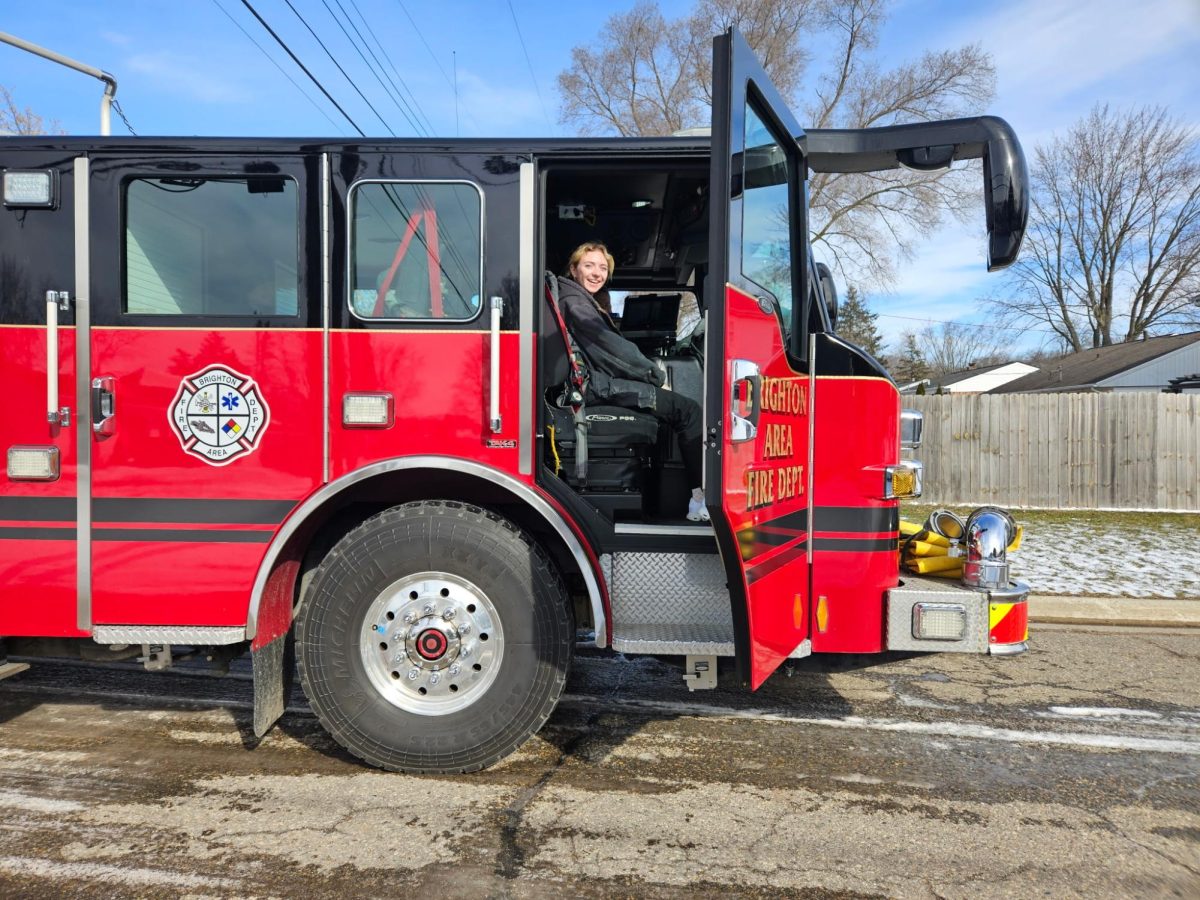
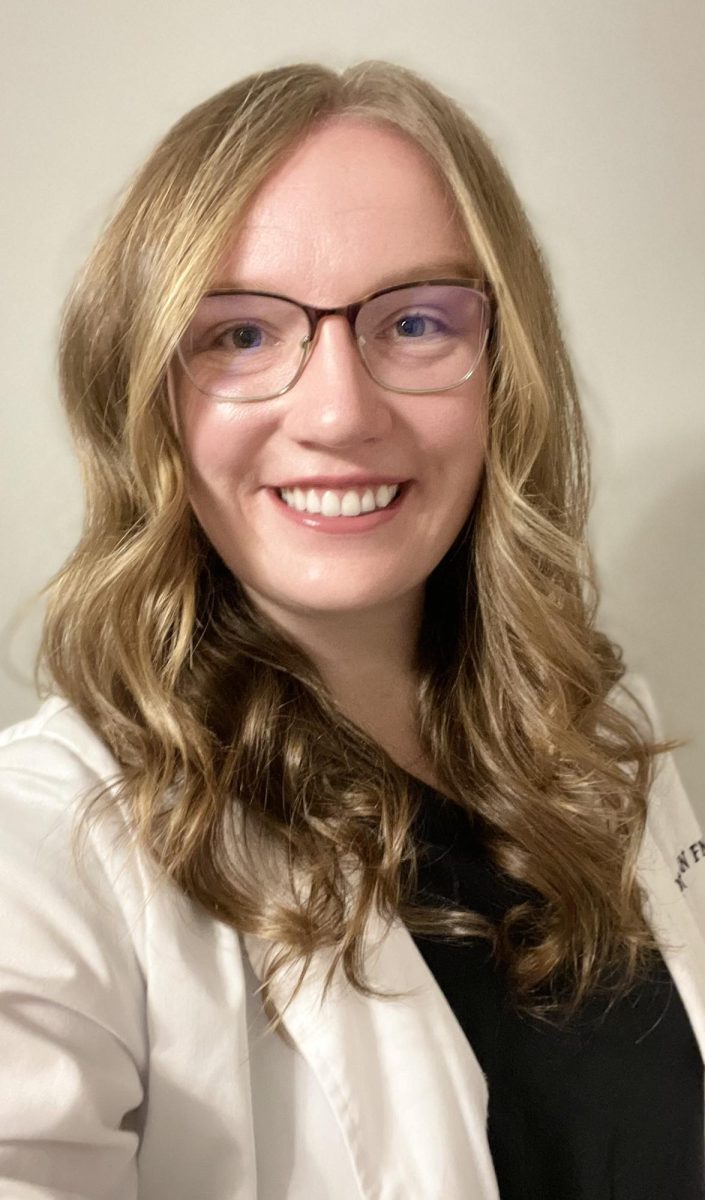
Ms. Brielle Haupt is the Health Department teacher at BHS and teaches the medical preparation classes, Health Occupations and Pre-Med Science. She is also a former full-time nurse, turned nurse practitioner, who works contingently at two different urgent cares. Her time in medicine has now totaled 12 years, with the past six years also involving her working at BHS.
Similar to Hamilton, Haupt connects the many overlaps of the two.
“Patience is important too—making sure that you’re able to carefully lay out all the information at an appropriate pace so that either the patient or the student can understand,” Haupt said. “I also think of an ability or a willingness to continually learn as well. And then last but not least, I’d say compassion. You have to display, obviously, a ton of compassion when dealing with your patients. I think what makes a good teacher and educator is getting to know their students on a personal level and displaying compassion, empathy and kindness.”
While also recognizing the willingness to constantly learn as a core value of the professions, Haupt emphasized the importance of caring for others. Both fields require the want of helping others, making a difference in others’ lives.
“You want to make a difference, right? Whether it’s making a difference as far as teaching kids new concepts or making a difference just by really trying to be there and make an impact on that person’s life,” Haupt said.
While neither Hamilton nor Haupt was the first to labor in both the field of medicine and education, and they certainly won’t be the last, they are a vital part of the historical chain that connects the two professions. Without those with a fervor for aiding others with their health and education, today’s society wouldn’t stand as tall as it does. A willingness to teach, listen and help is a necessary part of any occupation, and it will be forever ingrained in that of education and medicine.
Those who combine both into their lives have such a profound willingness to utilize these abilities and skills. Those like Hamilton and Haupt, who, in a world where 71% of teachers have a second job, chose to continue their endeavors to help others show unrivaled dedication to their community and those around them.
In the end, teachers and healthcare professionals already serve important roles in society and communities around the world, but the convergence of the two is common and vital. Haupt and Hamilton are proof of their prevalence and the difference made by doing such work.
“You want to make a difference as far as teaching kids new concepts, or make a difference just really trying to be there and make an impact on that person’s life,” Haupt said.
Fred Rogers, an educator and advocate for the educational, emotional and physical well-being of children, discussed the gravity of those who work in education (and by extension, healthcare). He highlights that, whether in the classroom, the hospital, or both, making a difference in another’s life should be cherished and commended.
“Anyone who does anything to help a child in his life is a hero to me,” Rogers said.