


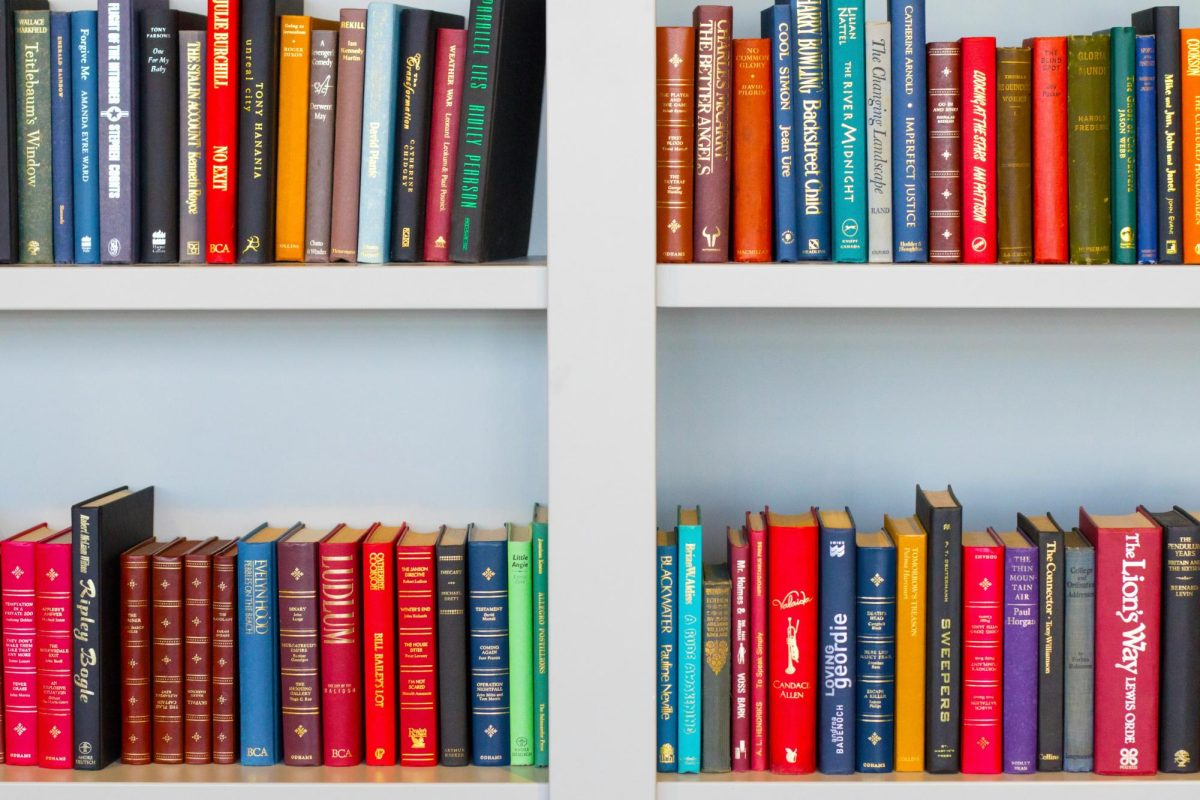




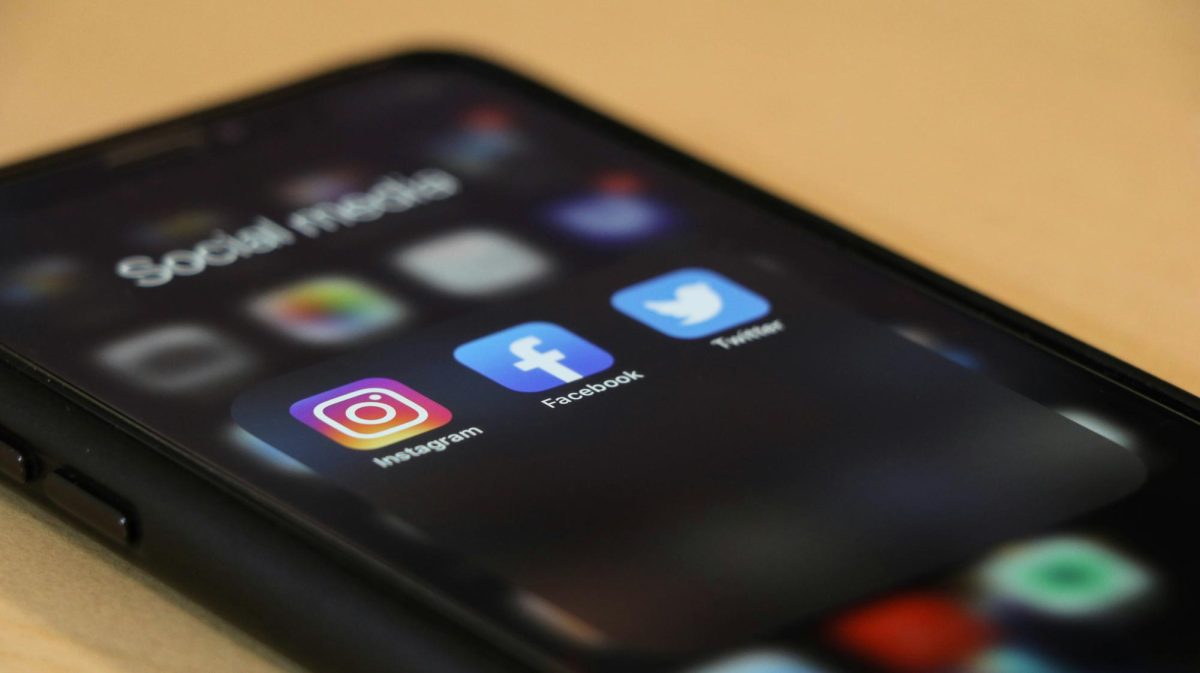
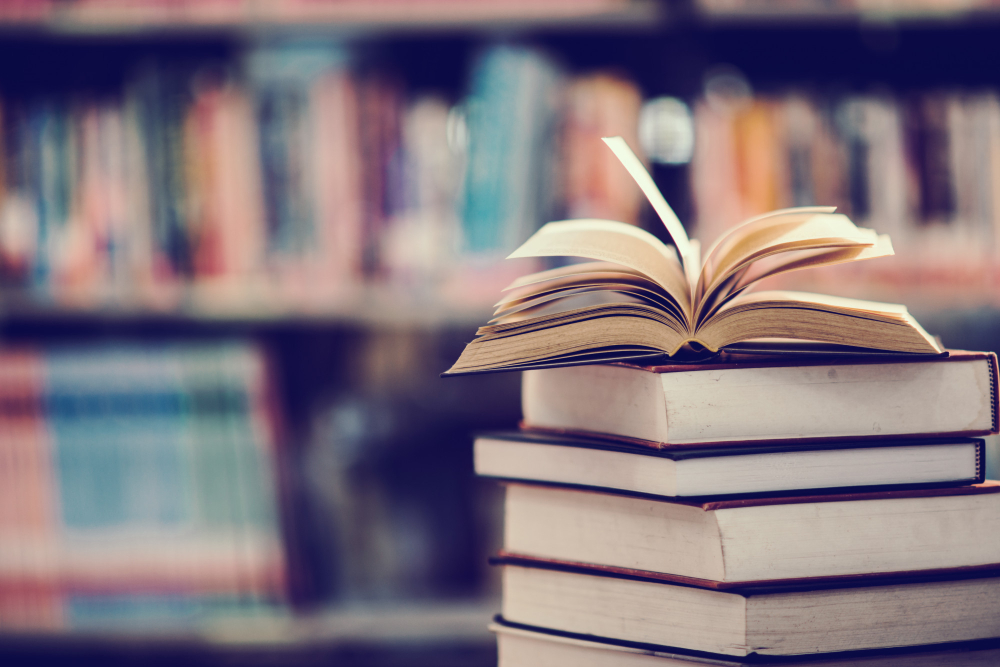
Reading books can be a safe place for people. It can be an escape from this world into another. It can be a way for people to further their knowledge. However, with social media and streaming services that allow for lots of access to many different things, books are becoming less and less popular.
One way that Brighton Area Schools is trying to keep the joy of reading alive is providing libraries with lots of books and sponsoring book clubs. These are very good strategies to keep the joy of reading alive. However, this is limited due to guidelines books must follow.
These guidelines are set in place to make sure that the books the students are reading are interesting and align with curriculum and are appropriate for students. A lot of the time, the library looks for books that have awards or have good professional reviews because these are cues that the book is school-appropriate.
“I think guidelines are very important because as professionals in the library science field, it is our job to provide high-quality, high-interest reading material for all learners but to also do it in an appropriate way. The guidelines serve as a framework so that we, as professionals, can reference them whenever we need to,” Ms. Kathryn Alfaro, the media specialist at Brighton High School, said.
While some people may believe that these guidelines are harsh or should not be in place, in truth, they are important to keep our libraries running smoothly. Without these guidelines, there could be lots of books that are controversial, not appropriate or cover very sensitive topics which, frankly, could lead to book bannings, lawsuits and even closing of libraries.
“When we’re evaluating materials for the media center or classroom, there’s a set of administrative guidelines that we go through. So we want to make sure the materials are age-appropriate and content-appropriate,” Mr. Matt Evans, the lead principal at BHS, said.
In some ways, moderate restrictions may the best method to prevent full-scale censorship.
To parents, their kids are the most important things to them, so they want to protect them from many things. Without the guidelines, the students would be exposed to things parents don’t want them to be exposed to yet, which could cause many problems. For instance, parents may attempt to ban the books from the school. However, this just hurts the kids more because they aren’t banning it for just their kid but all of the kids in the school. They are making decisions for other parents about their kids.
On the other hand, if a school chooses to develop restrictions based on their own guidelines, it can be on the basis of objectivity rather than the whims and opinions of parents—it sets a standard that literary restrictions are ultimately on the school’s terms.
That is why BHS takes time to review the books offered to the students. If parents don’t agree with this, they can set their own rules for their kids. This also applies to students who want more advanced books and their parents are okay with it.
“If students want to read certain books that are not available at our school, they can have conversations with their parents about getting access to those books,” Ms. Kelly Armstrong, an English teacher at Brighton High School, said.
Having guidelines in BAS libraries is not a censorship measure but one that ultimately helps protect reading material from further scrutiny from outsiders. In a time when reading serves as both an enjoyable escape and an educational necessity for many students, it is more important than ever that we continue to preserve the endless opportunities that it offers within the BAS school district—even if that means first establishing and enforcing literary guidelines.